Water is the quietest habit in a routine, and that is exactly why it slips. Nobody schedules it, so it ends up happening in gulps at odd moments or not at all. This guide approaches water the way a tidy planner handles any task: give it a place, give it a cue and make it easy. Along the way we show how a morning glass can also be the natural companion to a daily SodaMelt capsule, one small step in a ritual you can repeat without thinking.
Give water an anchor, not a goal
Most hydration advice starts with a number, and numbers are easy to ignore by Tuesday. A sturdier approach is to attach water to moments that already exist. A glass when the kettle clicks on, a glass when you sit down at your desk, a glass beside the dinner plate. Each anchor is small, and together they spread drinking across the day.
Anchors work because they remove the decision. You are not asking yourself whether you have had enough; you are simply following the sequence of your day. Commuters can pair a refill with locking the front door. Parents can pair it with the first school-run buckle click. Home cooks can pair it with the first chopping board of the evening.
Pick two anchors this week, not seven. When those feel automatic, add a third. Slow stacking is how routines survive busy seasons.
If you like reading around the topic, the Mayo Clinic healthy lifestyle pages have approachable general articles on everyday drinking habits. Pair that reading with a small experiment: keep a simple tick sheet on the fridge for one week and see which anchors you hit most easily. Many readers find that two or three anchors cover the whole day, and that the rest takes care of itself once the bottle becomes a familiar companion at home, at work and on the move.
- Kettle or coffee maker: one glass of water first
- Desk arrival: refill the bottle before opening email
- Dinner prep: pour a glass before the first pan heats
Make the bottle do the thinking
A good vessel is the cheapest habit tool there is. Choose one you actually like holding, with a lid that does not leak in a bag and an opening wide enough to clean. If the bottle is awkward, it will stay in the cupboard.
Placement matters more than size. Keep one bottle where you start your day and one where you spend it: the kitchen counter, the car cup holder, the corner of the desk. Seeing it is a prompt in itself, and a bottle in view quietly asks to be picked up.
Some people like bottles with time markings, others prefer a plain steel one and a simple habit of refilling at each anchor. Neither is better. What counts is that the tool matches how you actually move through a day.
Where a morning capsule fits in
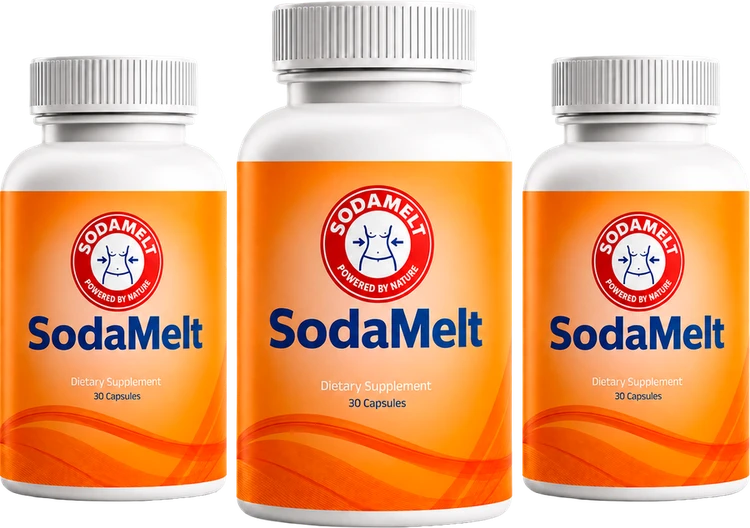
SodaMelt is a dietary supplement in capsule form, with 30 capsules in each orange bottle, and the brand's directions are printed on the label: one capsule daily with water, as the label directs. That makes the morning glass a built-in partner for the routine. The water is already there; the capsule simply joins it.
This is a gentle way to see the idea of habit stacking in action. You are not adding a new task to a crowded morning, you are adding one small step to a task you already do. Keep the bottle next to your morning glass so the two cues sit together.
If you are curious about what the product is and is not, the page on what SodaMelt is lays it out in plain language, and the full Supplement Facts panel is on the bottle label itself.
Flavor and variety without fuss
Plain water is not everyone's favorite, and that is fine. A slice of citrus or cucumber in a jug, a few mint leaves, or a cup of warm herbal tea in the evening can make drinking feel like a pleasure rather than a chore. Keep the additions simple and fresh so they do not become one more thing to prepare.
Temperature changes the experience too. Some people sip steadily from a cold bottle in summer and prefer a warm mug in winter. Let the season set the tone instead of forcing one style all year.
For general guidance on everyday eating and drinking patterns, the Dietary Guidelines resource is a calm place to read more.
Tidy cues for travel and busy days
Routines wobble on days that look different: a long meeting block, a train trip, a day with the kids out of school. On those days, shrink the plan instead of dropping it. One glass at waking, one at lunch, one in the evening is still a rhythm, and rhythms are easier to restart than streaks.
Pack the bottle the night before, just as you would lay out keys or a bag. A few seconds at the end of the day saves a scramble in the morning. If you travel, our guide on travel routines shows how to keep small anchors alive on the road.
Finally, keep the tone kind. A missed glass is not a failure; it is just a gap before the next anchor.
A simple one-week trial
Try this for seven days. Choose two anchors, place the bottle where you will see it and write a tick on a sticky card or planner page each evening. At the end of the week, look at which anchor felt natural and which felt forced, then adjust.
If you decide the morning routine suits you, you can order SodaMelt today and keep the glass-and-capsule pairing going. You can read more about the wider habit framework in our overview of how the daily routine works.
Small, repeatable, easy: that is the whole method. Everything else is decoration.